Before 1966, Dubai lived off pearl diving and trade along the Creek. That Dubai never went away — it still occupies both banks: Bur Dubai and Deira. The pace here is different, and so are the smells and the prices: lunch costs 20 dirhams, a Creek crossing just one. Half a day is all you need; the best time is morning or the final two hours before sunset.
Reference information: confirm prices, ratings and schedules with the operator. Official website
Itinerary: From Shore to Shore
on foot + abraFollow this order — the sun and the crowds will work in your favour.
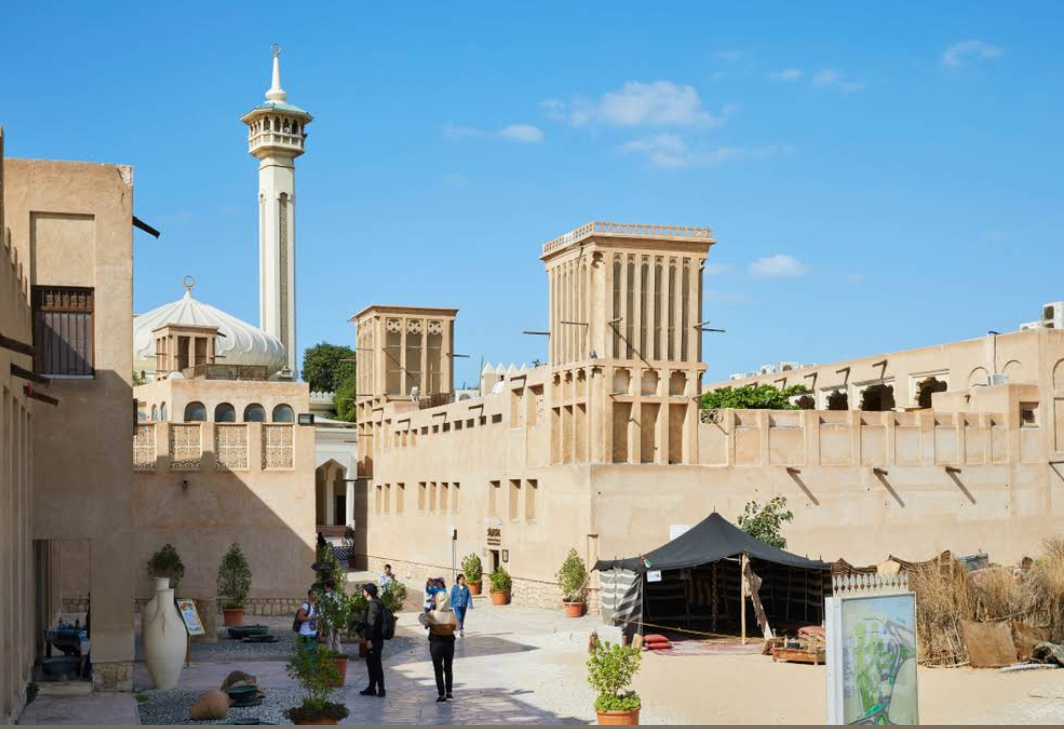 Bur Dubai · morning
 1 · Al Fahidi Quarter
A labyrinth of 19th-century mud-brick houses topped with wind towers — the ancestors of the modern air conditioner. Inside you will find galleries, the Arabian Tea House café, and the SMCCU cultural centre, where you can share breakfast with Emiratis and ask them anything.
Photo: Nirmal Gupta / Google
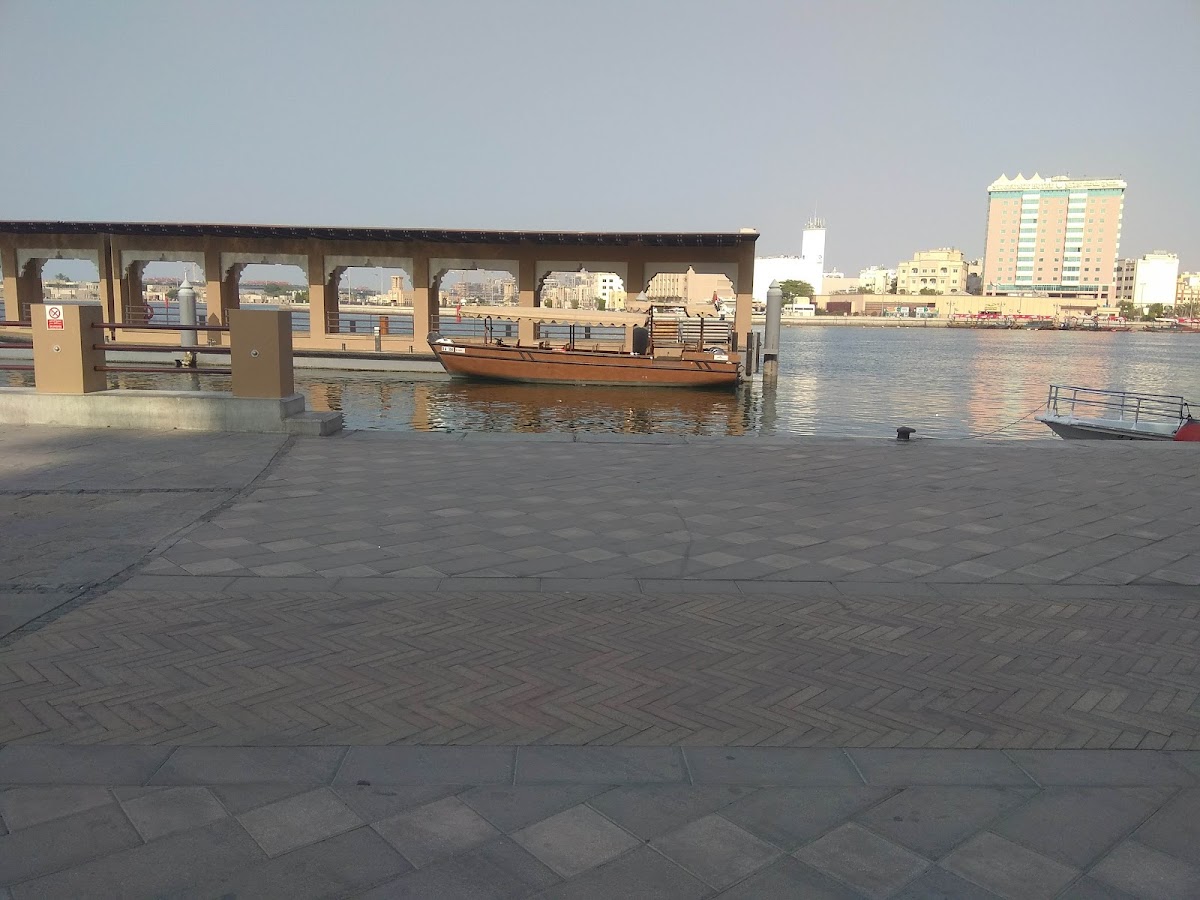 crossing
2 · Abra Across the Creek
Wooden boats shuttle between the banks like minibuses — every couple of minutes, no schedule needed. Hand the helmsman a one-dirham coin and you have the best “water tour” in the city.
Photo: Nasir Khan / Google
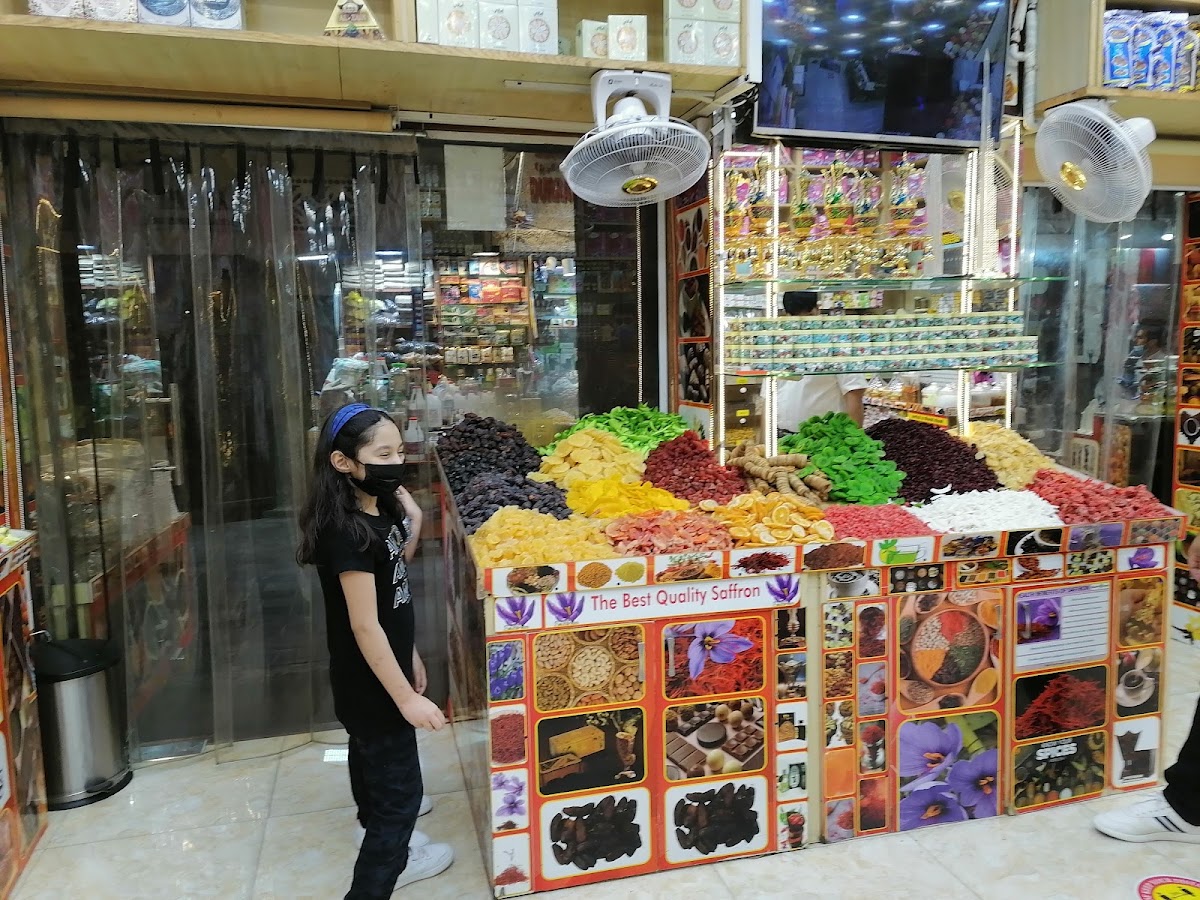 Deira
3 · Spice Souk
The first thing that greets you on the Deira bank: sacks of saffron, cinnamon, frankincense, and dried limes. Vendors quote “tourist prices” — halve it and bargain with confidence.
Photo: Sara got reviews / Google
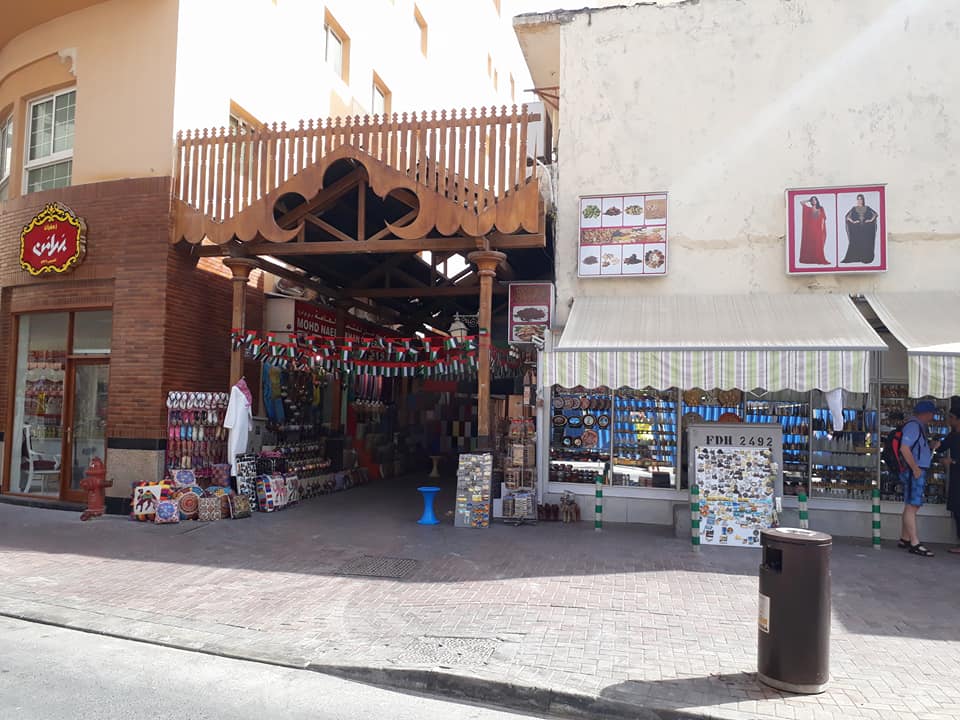 Deira
4 · Gold Souk
Several hundred jewellery shops under one roof. Gold is sold by weight at the day's spot rate — cheating on purity is nearly impossible here, as inspections are routine. Bargain over the craftsmanship, not the metal.
Photo: Shahma Abu / Google
 Bur Dubai · Evening
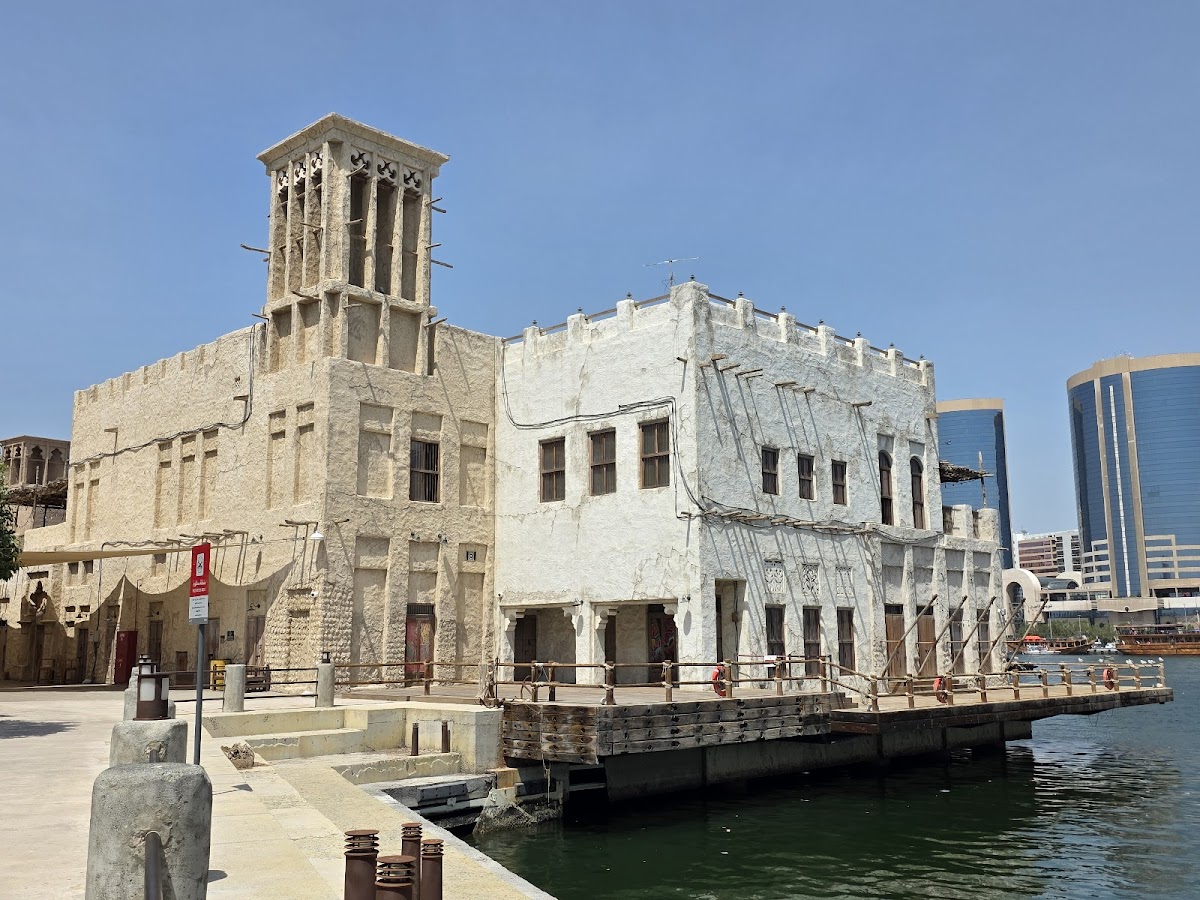
5 · Al Seef at Sunset
Take an abra back to the southern shore: two kilometres of waterfront where the old city flows seamlessly into the new. Dinner by the water with illuminated dhows in view — the perfect note to end the route on.
Photo: Winson Yong / Google
If you want to go deeper: museums
city historyBoth museums sit on the same side of the Creek, and both are worth every dirham.
 Creek mouth
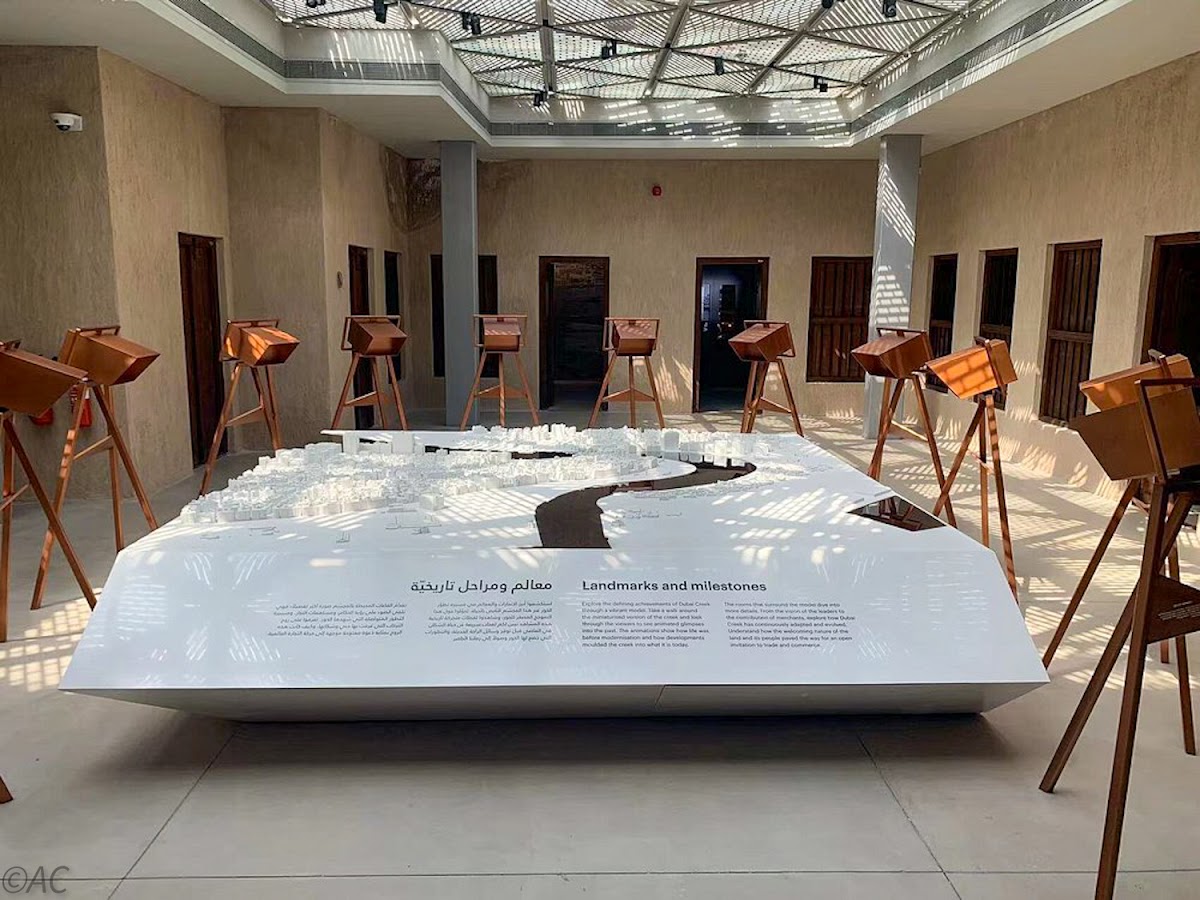
Al Shindagha Museum
The city's flagship history museum, set in the quarter where the ruling family once lived: the story of how a fishing village became a metropolis in just 50 years. The perfume pavilion is, surprisingly, the highlight of the whole place.
Photo: ___C___ / Google
 Jumeirah 1 · 10 min by taxi
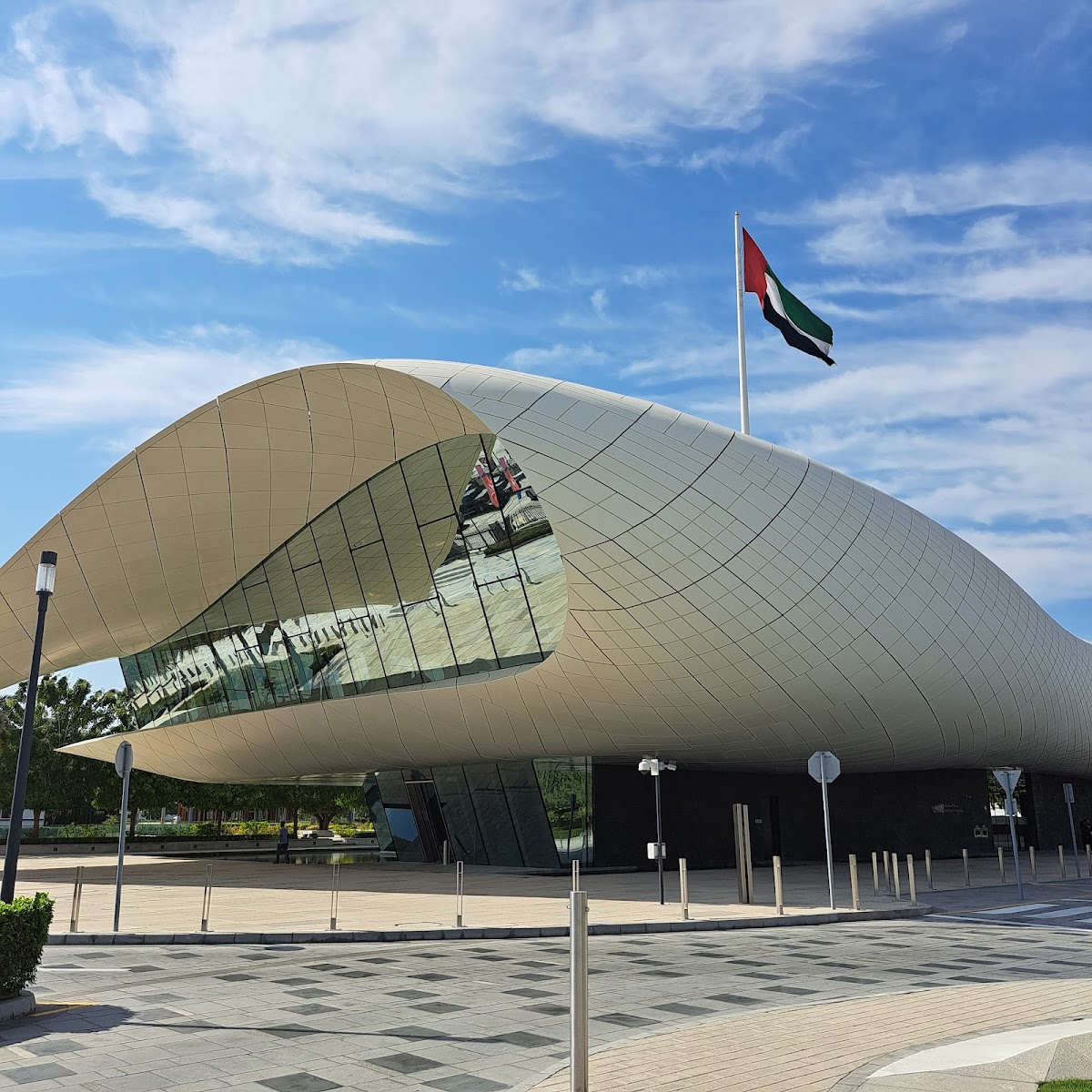
Etihad Museum
1971: how seven emirates came together to form one nation — on the very spot where the union treaty was signed. Compellingly told history for those who love context.
Photo: Diego Papouchado / Google
Practicalities
- MetroAl Fahidi or Sharaf DG (Green Line) — 5 minutes' walk to the neighbourhood
- AbraReference information: confirm prices, ratings and schedules with the operator.
- TimeReference information: confirm prices, ratings and schedules with the operator.
- Whenbefore 11:00 in the morning or after 16:00; summer midday means relentless heat with no shade
- BudgetReference information: confirm prices, ratings and schedules with the operator.
Reference information: confirm prices, ratings and schedules with the operator.
Tips that will save you a headache
- •Dress with covered shoulders and knees — these are residential and market quarters, not a beach. There is no requirement to cover your head.
- •Market touts are persistent but harmless: a firm “no, thank you” works after one or two tries. The “free tea” is a gentle lead-in to selling you a pashmina.
- •Don’t exchange money at the market — exchange offices in the mall offer better rates. Gold is priced by the gram, so ask the seller to show you the weight and the live rate on a calculator.
- •The best shots of the Al Fahidi quarter are before 10 a.m. — before tour groups arrive and while the light is still soft.
- •Friday until ~13:00 is prayer time: some shops close and the pace slows right down. The markets are at their liveliest in the evening.
Frequently asked questions
- How much time do you need for Old Dubai?
- Half a day covers the main route: Al Fahidi, an abra ride, two souks, and Al Seef. Add the museums and you'll want a full day. This is the city's most compact zone — everything is within walking distance and you won't need any transport.
- Is it safe? It looks nothing like the glossy, picture-perfect Dubai.
- Yes, it's safe at any hour — street crime in Dubai is among the lowest in the world, and the old city is no exception. The only real nuisance is persistent vendors at the souks.
- What to buy and how to haggle?
- Smart picks: saffron and spices (a fraction of European prices), gold by weight, Arabic perfume oils, and dates. For souvenirs, halve the asking price — that's simply how the market works, and vendors expect it.
- Old Dubai or Abu Dhabi — which to choose if you only have one day?
- Reference information: confirm prices, ratings and schedules with the operator.
- Where to stay to be closer to all this character?
- Hotels in Bur Dubai and Deira are the most affordable in the city — often half the price of the Marina — with metro access right on your doorstep. For a full neighbourhood breakdown, see our guide “Where to Stay in Dubai.”
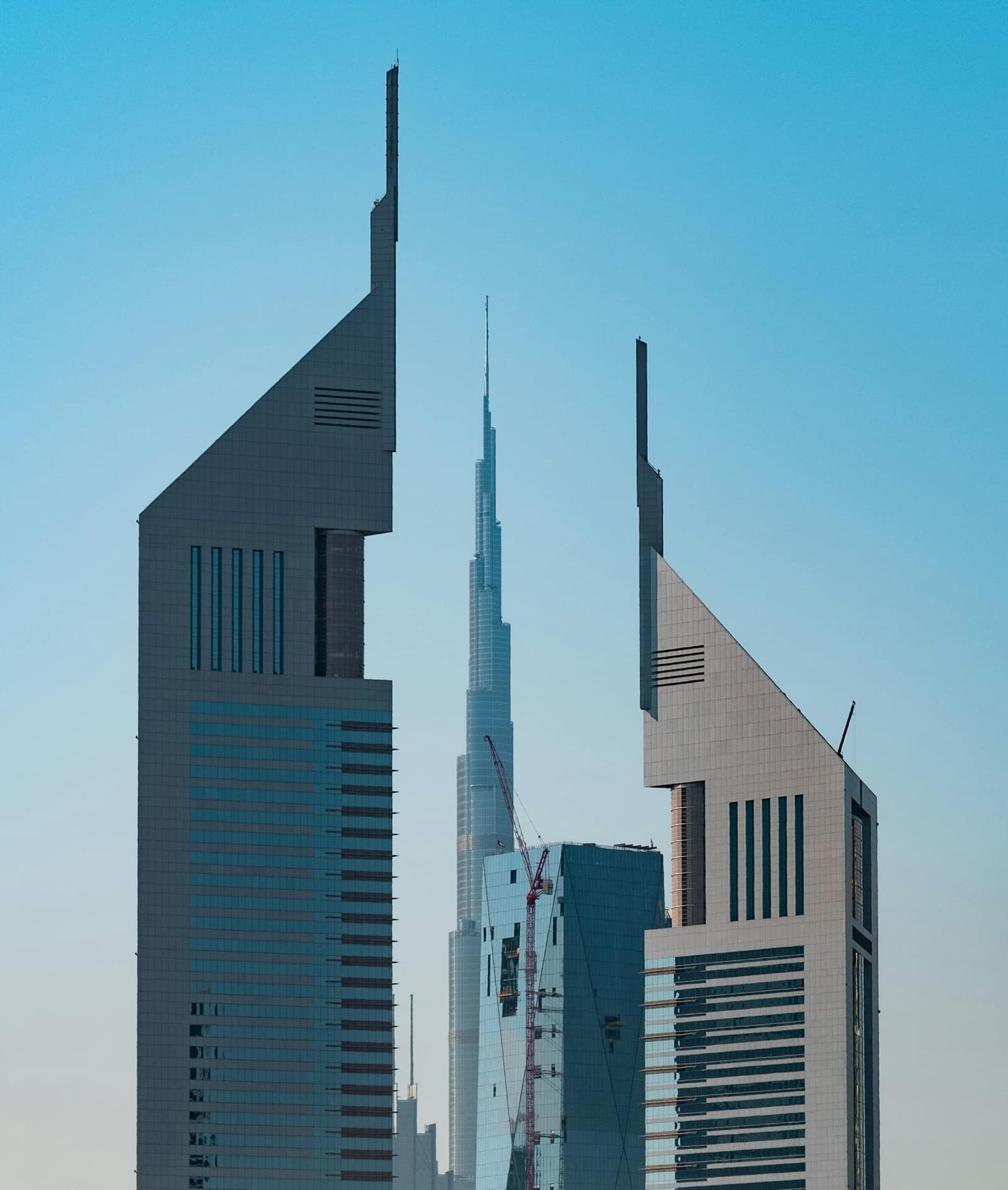
The Creek is back: a new hub is rising beside the old one
Dubai Creek Harbour — a million-resident district on the same waterway and one of the city’s most active off-plan markets. We break down sales figures and rental yields using DLD data.
Tools for this topic
A shortlist built for your case
3–5 properties with an honest DLD-based yield calculation — free, no middlemen.