Two of Dubai's most discussed premium areas have very different identities. Palm offers waterfront status; Dubai Hills offers green inland living. Here is how they compare over a 10-year horizon.
Archive · data as of 3 June 2026. Figures in this article are a historical snapshot, not current analytics.
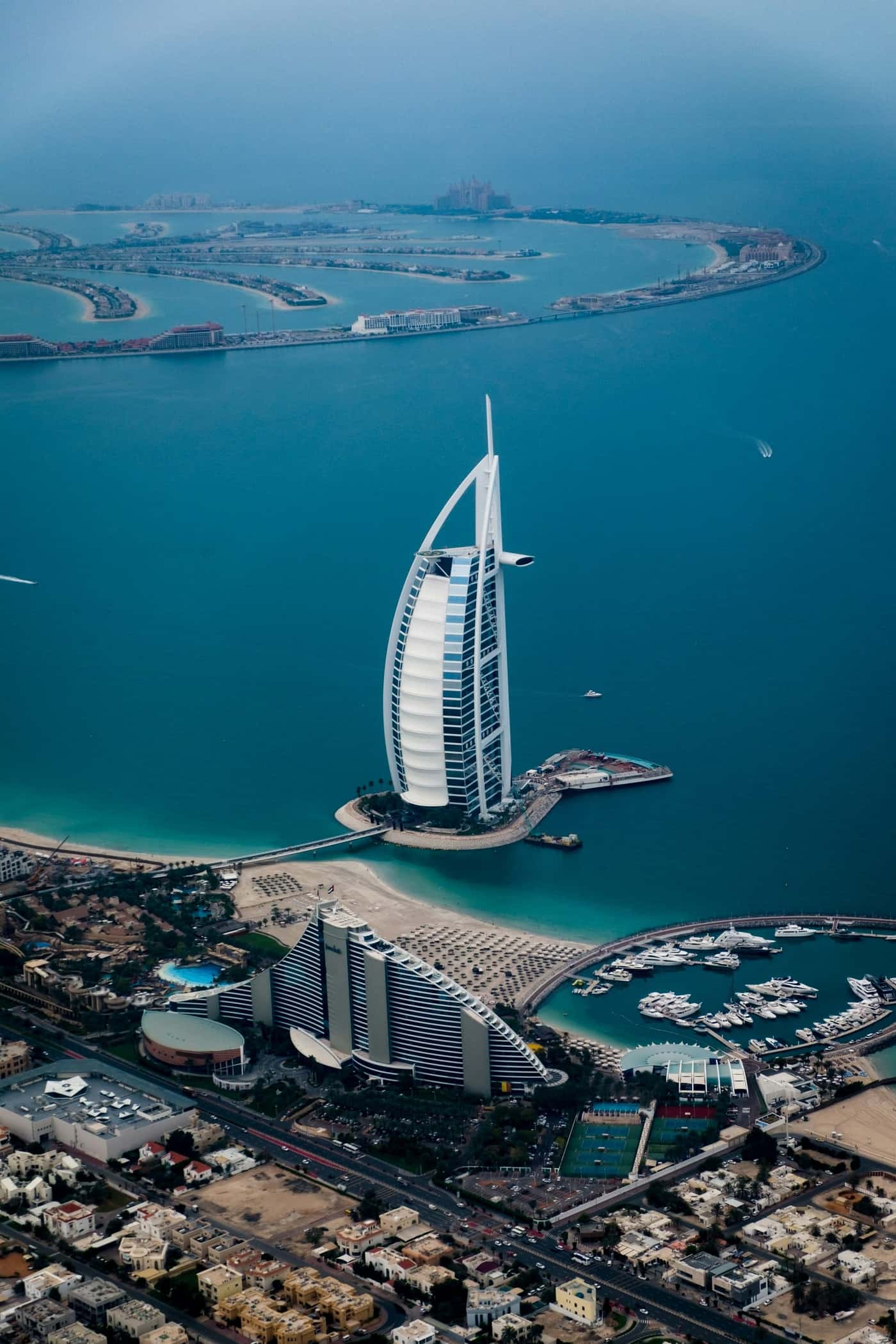
When a client with an AED 5–15M budget asks where to invest for 10 years, Palm Jumeirah and Dubai Hills Estate are usually the finalists. They appear to be opposites: Palm is a status waterfront address, while Dubai Hills is a green inland community built around golf and villas. The difference in return and liquidity is less obvious than the lifestyle contrast suggests.
Palm Jumeirah: what the data shows
Area profile, based on 12 months of DLD data:
- Average apartment price: AED 2,850/sqft, +6.8% YoY.
- Average villa price: AED 4,100–5,800/sqft depending on the frond, +9.2% YoY.
- Median apartment transaction: AED 4.2M.
- Median villa transaction: AED 22M, with a broad range from AED 12M to above AED 80M.
Strengths:
- Constrained supply: Palm is an artificial island with finite geometry, so almost no new villas can be added.
- Leading brands including Six Senses, Atlantis Royal, Five Palm and Address Beach Resort support a strong hospitality segment.
- Short-term rental can deliver the highest apartment yields in Dubai: 8–11% gross with the right operator.
- Global brand recognition makes the address easier to market internationally than most Dubai locations.
Weaknesses:
- Palm Jumeirah's bridge remains the only road entrance, making peak-hour traffic difficult.
- Service charges are among the city's highest: AED 25–40/sqft for apartments in premium towers.
- Tourist rentals weaken during the hot low season from May to September.
- Older 2008–2012 projects, including Shoreline, Tiara and Golden Mile, face substantial future refurbishment.
Dubai Hills Estate: what the data shows
Area profile, based on 12 months of DLD data:
- Average apartment price: AED 1,750/sqft, +14.2% YoY.
- Average villa price: AED 2,200–2,800/sqft, +16.8% YoY.
- Median apartment transaction: AED 2.1M.
- Median villa transaction: AED 8.5M.
Strengths:
- Active growth as Emaar continues construction, the mall expands and schools open.
- A family-oriented green environment with an 18-hole golf course, parks, cycle routes and schools including GEMS, alongside Dubai Hills Park.
- Strong family-segment liquidity from a steady inflow of expatriate tenants with children.
- Lower short-term volatility because resident demand is more important than tourism.
Weaknesses:
- No waterfront, which is a firm requirement for some buyers.
- Less brand value for reputation-led purchasers such as public figures and celebrities.
- Active new supply can limit short-term appreciation as Emaar launches phases every 6–12 months.
Net yield: where cash flow is stronger
ECOSYSTEM calculations using actual 2025 rents indicated:
- Palm Jumeirah completed 1BR in Tiara/Anantara Residences, long-term rent: 5.2–6.4% net yield.
- Palm Jumeirah completed 1BR with a holiday-home operator: 7.8–10.5% net yield, with greater volatility.
- Dubai Hills completed 2BR in Park Heights/Collective: 6.5–7.2% net yield on long-term rent.
- Dubai Hills completed 4BR villa in Maple/Sidra: 5.5–6.5% net yield on long-term rent.
For passive income without guest-management demands, Dubai Hills 2BR apartments offer the strongest risk/reward balance: higher yield than long-term Palm rentals, lower OPEX and a simpler tenant profile.
Appreciation: a 10-year view
The following is an estimate, not a DLD fact. Historical 2014–2024 data indicates:
- Palm Jumeirah delivered approximately 4–7% long-term YoY growth, including a decline in 2014–2018 and growth in 2020–2025.
- Dubai Hills Estate is younger, having launched in 2016. Average growth in 2020–2025 was 12–18% YoY, partly due to a low base and active construction.
The 2026–2035 scenario used here is:
- Palm: a steady 5–7% YoY as a defensive asset.
- Dubai Hills: 7–10% YoY for the first 3–5 years, slowing to 5–7% as the area matures.
Which area suits which investor
Palm Jumeirah may suit you if:
- The budget is AED 7M+ and the objective combines status with holiday-home income.
- The property is a second home used for 2–3 months each year rather than a permanent Dubai residence.
- Annual service charges of AED 80–150K are acceptable.
- Brand value and representation matter.
Dubai Hills Estate may suit you if:
- The budget is AED 2–8M and the objective is family life plus steady yield.
- Children will attend school in Dubai, with GEMS and Dubai International Academy nearby.
- Green space, calm and low density are priorities.
- Waterfront is not essential.
A hybrid allocation
One long-term ECOSYSTEM portfolio from 2024 allocated AED 8M as follows: an AED 5M Sidra villa in Dubai Hills for the family, plus an AED 3M Anantara Residences apartment on Palm for a holiday-home operator. The apartment produced 9% gross yield, while the villa appreciated by 14% YoY and met the family's residential objective.
Conclusion
- AED 2–5M: Dubai Hills apartments for the strongest risk-adjusted yield.
- AED 5–15M: 60% in a Dubai Hills villa for residential use and 40% in a Palm apartment for rent.
- AED 15M+: a Palm waterfront villa for status and capital protection over the next 20 years.
For a DLD-backed selection of 3–5 properties tailored to your budget, contact us on Telegram.