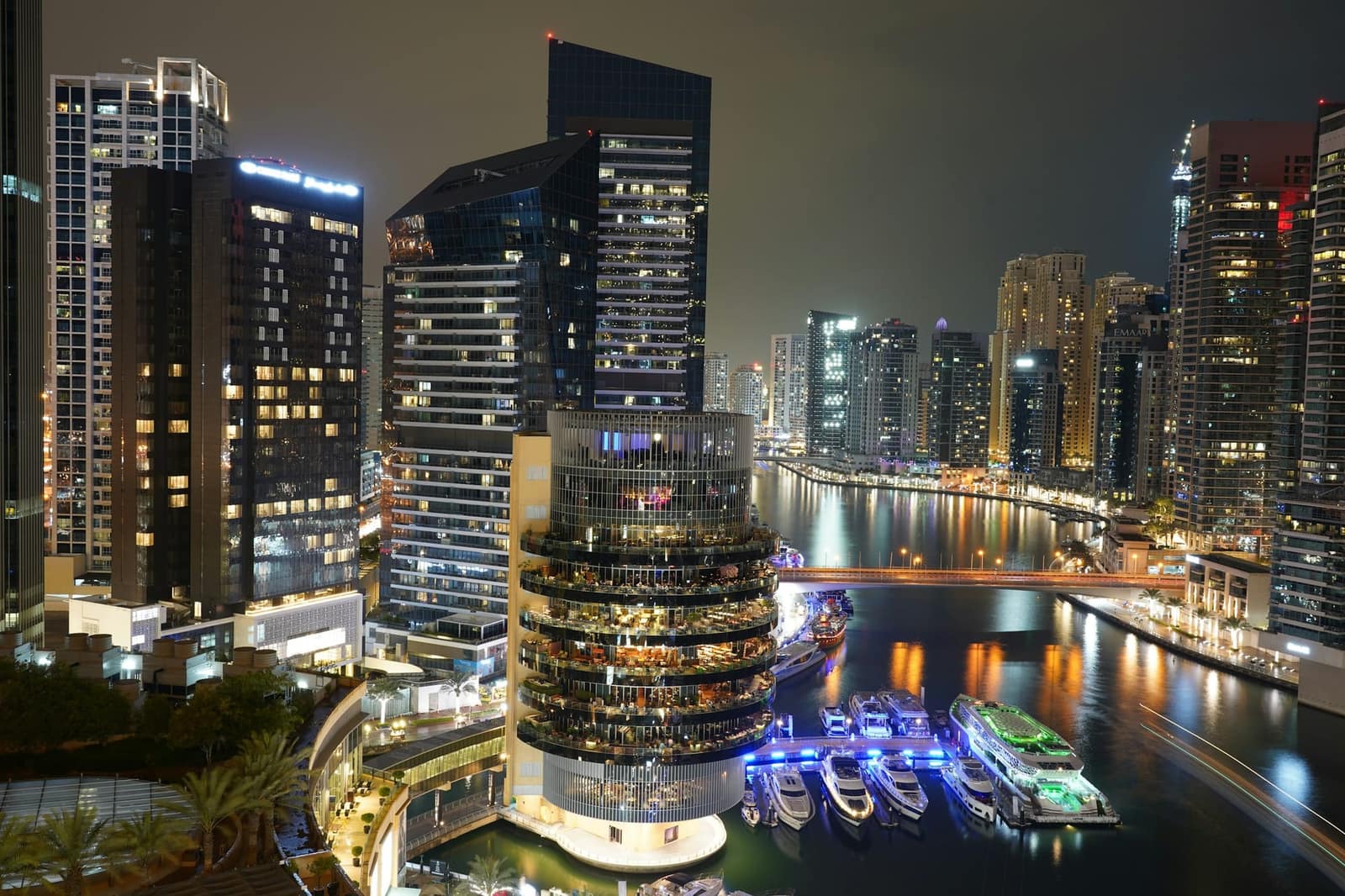
District cooling operator Tabreed says its operations saved energy equivalent to 265 billion iPhone charges in one year. The company also avoided more than 834,000 tonnes of CO2 emissions. For residents and investors, this points to lower cooling costs and more efficient buildings.
Our retelling · details in the original publication
Tabreed, the UAE district cooling company, has reported its annual results. The energy saved over the year, by its own calculation, would be enough to charge an iPhone 265 billion times. It is a striking comparison, but it reflects a simple fact: air conditioning is one of the biggest power drains in this climate.
The second number is environmental. Tabreed says its operations avoided more than 834,000 tonnes of carbon emissions. The logic is straightforward. One efficient central plant serving a district replaces a separate air-conditioning unit in every apartment and office.
What this means in practice. District cooling is already connected to many residential and commercial buildings in Abu Dhabi and Dubai. For owners, it usually means less noise, less maintenance and steadier cooling bills instead of electricity spikes in summer. For investors, buildings on such systems can carry lower operating costs and less exposure to tariff increases.
The figures come from the company's own reporting, not an independent audit. Still, the signal is clear. Cooling remains the main energy consumer in the UAE, and centralised systems are one practical way to cut both bills and emissions at once.
If you are choosing a home or commercial space, ask the developer or building manager whether the property is connected to district cooling and how the charge is calculated. The difference in annual bills can be noticeable.
Full details are in the original publication.
 商业
 商业